Every trade, transport, and construction business reaches a point where the right piece of equipment is the difference between winning the next job and watching a competitor take it. The challenge is that trucks, machinery, and commercial vehicles represent significant capital outlay, and tying up that cash can put pressure on the rest of the business.
Asset finance exists to solve this problem. Instead of purchasing equipment outright, a business finances the asset and repays it over time, preserving working capital and aligning repayments with business cash flow.
This guide covers the main finance structures available, who qualifies, and how to approach the process.
This content is general information only and does not constitute personal financial, legal, or tax advice. The right finance structure for your business depends on your trading history, tax position, and cash flow.
Speak with a qualified asset finance broker and your accountant before making any decisions.
What Asset Finance Covers
Asset finance is a broad term for lending secured against a specific asset rather than property or general business revenue. For most businesses, the assets being financed fall into one of the following categories:
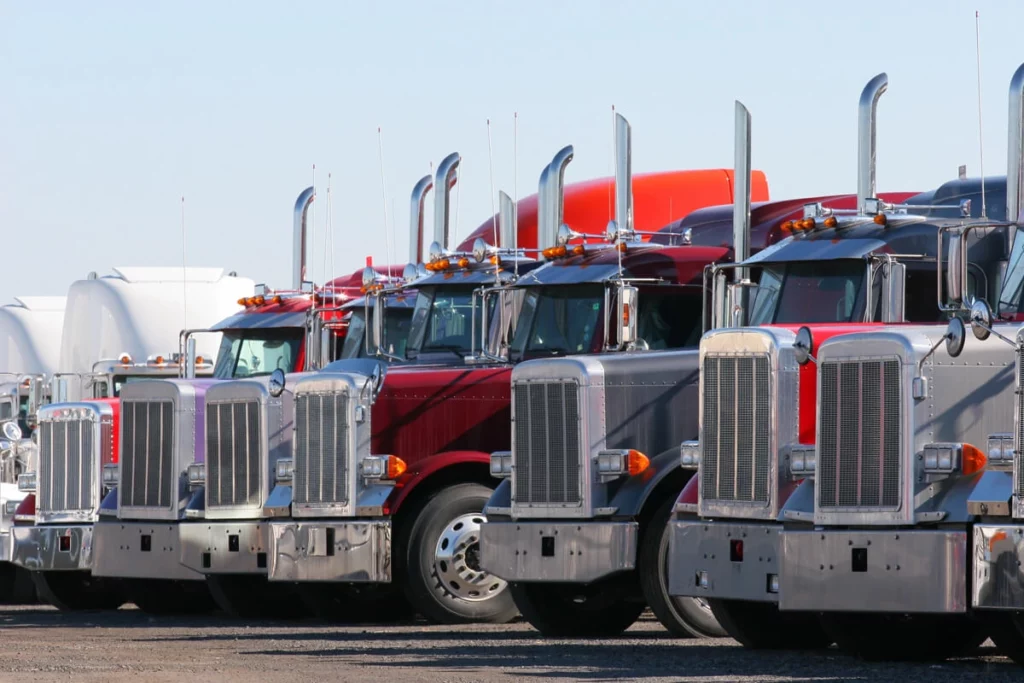
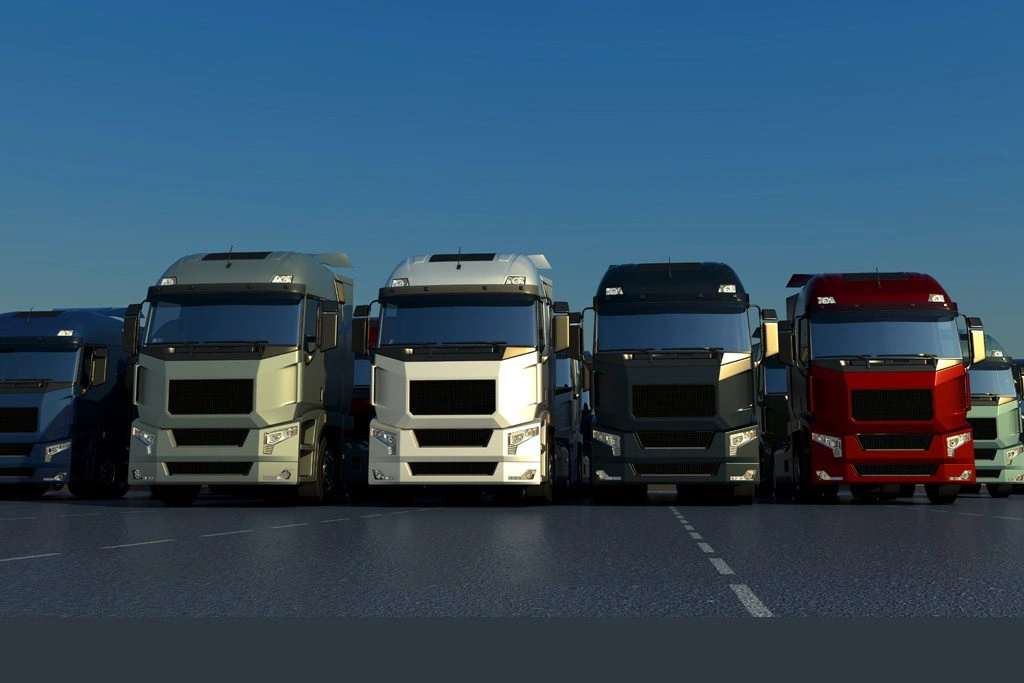
- Trucks and commercial vehicles. Rigid trucks, tippers, prime movers, tray trucks, semi-trailers, and fleets. Both new and used vehicles are generally eligible, subject to lender requirements around age and condition.
- Machinery and plant. Excavators, loaders, forklifts, cranes, earthmoving equipment, CNC machines, and other industrial or construction plant.
- Trade and business equipment. Tools, compressors, workshop equipment, manufacturing assets, and specialised operational equipment used to generate business income.
- Commercial vans, utes, and light vehicles. Vehicles used for deliveries, service calls, and trade operations.
The common thread across all of these is that the asset itself serves as security for the loan. This makes asset finance accessible to businesses that may not have significant property equity but have strong trading history and identifiable income-producing assets.
The asset finance service at FirstPoint covers all of the above categories, from single-vehicle purchases to full fleet upgrades.
The Main Finance Structures
Different structures suit different businesses depending on their tax position, cash flow cycle, and whether ownership of the asset matters. Each structure has different implications for cash flow, tax, and ownership. Always confirm the tax treatment with your accountant before committing to a structure, as the right choice depends on your individual circumstances.
Chattel Mortgage
A chattel mortgage is a loan secured against the asset. The business takes ownership of the asset from day one while the lender holds a mortgage over it until the loan is repaid. This structure is commonly used for business vehicles and equipment.
Depending on the business’s tax position, GST on the purchase price may be claimable upfront and interest and depreciation may be deductible. Confirm the specific tax implications with your accountant, as they vary by business structure and asset type.
Finance Lease
Under a finance lease, the lender owns the asset and leases it to the business for an agreed term. The business makes regular lease payments and has the option to purchase the asset at the end of the term for a residual value. This structure suits businesses that want to preserve cash flow, or those that regularly upgrade equipment and benefit from returning it at the end of a lease.
Operating Lease
An operating lease is a shorter-term arrangement where the business uses the asset without taking on ownership or residual risk. The lender retains ownership and the business returns the asset at the end of the term. This structure is commonly used for vehicles and equipment that depreciate quickly or where technology upgrades are a regular requirement.
Equipment Loan
An equipment loan works similarly to a chattel mortgage, with the business owning the asset from settlement and repaying the loan over an agreed term. Repayments can typically be structured as fixed or variable, and the term is usually aligned with the asset’s useful life. This is a flexible structure used across a range of asset types and business sizes.
The table below gives a brief comparison of the main structures:
| Structure | Ownership | Best Suited To | Key Consideration |
| Chattel mortgage | Business owns from day one | Vehicles, plant, equipment | Potential GST and depreciation benefits |
| Finance lease | Lender owns, business leases | Businesses wanting lower upfront cost | Residual payment at end of term |
| Operating lease | Lender owns, business returns | Regularly upgraded assets | No ownership at end of term |
| Equipment loan | Business owns from settlement | Wide range of asset types | Similar to chattel mortgage in structure |
Who Can Apply
Asset finance is available to a broader range of businesses than many operators assume. The main eligibility factors are trading history, ABN registration, credit profile, and the nature of the asset being financed.
Understanding where your business sits across these factors helps determine which lenders are worth approaching and what terms are likely to be available.
The following business types can generally apply:
- Established businesses with two or more years of trading history and financial statements typically have the widest range of lender options and the most competitive terms available.
- Sole traders and owner-operators with an ABN and demonstrable income are commonly approved for truck and equipment finance, including for single assets and small fleets.
- New businesses and start-ups may qualify with the right lender structure, depending on the asset type, deposit position, and the creditworthiness of the applicant. Not all lenders extend to new ABNs, but specialist options exist.
- Businesses without full financial statements may be eligible for low-doc asset finance, using alternative documentation such as bank statements and BAS to support the application.
A broker working across a wide panel of lenders can identify which institutions are most likely to approve your application based on your specific trading profile and the asset you are financing. For businesses that also hold or are considering commercial property, the business loans and commercial finance page covers how property and equipment finance can work alongside each other.
What Lenders Assess
Understanding what lenders look at helps you prepare a stronger application and anticipate which lenders are most likely to be a good fit.
Lenders typically review:
- Business income and financial statements. Two years of financials is the standard requirement for most lenders. Bank statements and BAS may be accepted as an alternative for low-doc applicants.
- Credit history. Both the business credit profile and the director’s personal credit history are generally reviewed. A clean credit file broadens lender options and improves terms.
- The asset being financed. Lenders assess the age, condition, and value of the asset. Used equipment and older vehicles are accepted by most lenders, subject to maximum age and condition requirements.
- Deposit or equity contribution. Many asset finance structures require a deposit, though some lenders offer no-deposit options depending on the asset type and borrower profile.
- Intended use. Lenders confirm the asset is being used for income-producing business purposes. Personal use of a financed business asset can affect the structure and eligibility.
The table below outlines what to prepare before approaching a lender or broker:
| Document | What It Shows | Notes |
| Two years financial statements | Business trading history and profitability | Full-doc requirement for most lenders |
| BAS statements | GST turnover and payment history | Often used for low-doc applications |
| Bank statements | Cash flow and operating patterns | Typically 3 to 6 months required |
| Asset details | Age, condition, value, and intended use | Lender may require a valuation |
| ABN and business registration | Business legitimacy and trading period | Required for all applications |
New vs Used Equipment
Both new and used assets can be financed through asset finance, though lenders apply different criteria to each. New assets are generally straightforward, with lenders accepting the invoice price as the basis for the loan amount. Used assets are assessed on market value, age, and condition, and some lenders apply maximum age restrictions that vary by asset type.
For operators considering used trucks or second-hand machinery, the gap between what different lenders will approve can be significant. One lender may decline a ten-year-old prime mover outright while another will approve it with a suitable deposit. A broker familiar with the full lender panel can identify which institutions have the most appropriate policies for the specific asset you are looking to finance, saving time and avoiding unnecessary credit applications.
Refinancing existing equipment is also available. If a business owns assets outright or is partway through an existing finance arrangement, refinancing can release equity or improve cash flow by restructuring repayment terms. For businesses that want to understand their total borrowing capacity across both asset and property finance, the how much can I borrow calculator is a useful reference point alongside a broker conversation.
How a Broker Helps
The asset finance market includes major banks, non-bank lenders, and specialist equipment financiers, and their policies vary considerably by asset type, ABN age, documentation, and industry.
One lender may decline an application that another approves readily, and the difference is not always obvious from the lender’s public-facing criteria. Going direct to a single institution means accepting whatever that institution’s policies happen to be, which is not always the best fit for a specific asset or business profile.
A broker working across a panel of specialist lenders assesses the application against multiple institutions simultaneously and identifies the best match before a formal application is lodged.
This matters because each formal credit application leaves a mark on the business credit file, and multiple applications in a short period can affect future borrowing. A broker structures the application once, in the strongest form, and submits it to the most appropriate lender rather than the nearest available one.
FirstPoint works with businesses across greater Sydney and beyond on asset finance applications across trucks, machinery, and equipment.
The machinery and truck finance page covers the full scope of what is available for transport and construction operators specifically.
For businesses also considering investment in commercial premises, the investment property loans page outlines how property and equipment finance can work together as part of a broader business growth strategy.
Talk to FirstPoint About Your Equipment Needs
Whether you are financing a single truck, upgrading a fleet, or investing in machinery to take on larger contracts, the right structure and the right lender make a meaningful difference to the long-term cost of the asset. FirstPoint works with sole traders, owner-operators, and established companies across construction, transport, trade, and logistics.
Reach out to the FirstPoint team to discuss your asset finance needs, or explore the services page to see the full range of commercial and business finance solutions available alongside asset finance.
Frequently Asked Questions
Asset finance is a lending structure where a business borrows money to purchase a vehicle, machine, or piece of equipment, using that asset as security for the loan.
Repayments are made over an agreed term, and the structure determines whether the business or the lender holds ownership during the loan period. The main structures are chattel mortgage, finance lease, operating lease, and equipment loan, each with different implications for cash flow, tax, and ownership.
Yes. Sole traders and ABN holders are commonly approved for asset finance, provided they can demonstrate income, trading history, and serviceability. The specific requirements vary between lenders. A broker can identify which lenders on their panel have the most suitable policies for sole traders and owner-operators.
Not always. Many lenders offer low-doc asset finance for eligible businesses, using bank statements and BAS as an alternative to full financial statements. Requirements depend on the loan size, asset type, and trading history. A broker can advise on which documentation path is most appropriate for your situation.
Many asset finance applications receive conditional approval within 24 to 48 hours, depending on the complexity of the application and the quality of documentation provided. Having your financial statements, bank statements, and asset details ready before approaching a lender or broker speeds the process considerably.
Yes. Both new and used assets can be financed. Lenders apply different criteria to used equipment, including maximum age restrictions and condition requirements. A broker familiar with the full panel of available lenders can identify which institutions have the most flexible policies for the asset you are looking to finance.
With a chattel mortgage, the business owns the asset from day one and the lender holds a mortgage over it until the loan is repaid. With a finance lease, the lender owns the asset throughout the term and the business makes lease payments, with the option to purchase at the end for a residual amount.
The right structure depends on your cash flow, tax position, and whether ownership matters to your business. Confirm the best option with your accountant and broker.